

What is Census?
Census was a reverse ETL, data activation and operational analytics company. In a press release dated May 1, 2025, Fivetran announced that it had signed an agreement to acquire Census. The release states that Census was founded in 2018, was headquartered in San Francisco and employed more than 50 people, and that co-founder and CEO Boris Jabes would join Fivetran to help lead its data activation strategy. The deal terms were not disclosed.
Census is no longer sold as a separate product. The former getcensus.com website now redirects to fivetran.com, and the former Census documentation redirects to the Fivetran Activations documentation. Fivetran describes Activations as its integration of Census reverse ETL capabilities into the Fivetran platform. According to the Census Migration FAQ, Census joined Fivetran in 2025, and on October 15, 2026, Fivetran Activations (previously known as Census) launched a new unified product experience. Census Embedded is now called Powered by Fivetran.
Activations is a cloud-based product for configuring managed reverse ETL pipelines without writing code. It reads data from a central source such as a data warehouse, data lake, database or CSV file and writes it into CRMs, marketing platforms, support tools, ad networks and other destinations. Combined with Fivetran's ELT connectors, it forms a bidirectional pipeline in which data is first loaded into the warehouse and then sent back to operational tools. Activations is managed from the Activations tab of the Fivetran dashboard.
The migration is still in progress. Fivetran began automatically migrating Census accounts and activation sources to Fivetran infrastructure in October 2026. Fivetran Users and Permissions replaces the separate Census access model, workspaces are deprecated and retire on January 15, 2027, and Activations API V1 retires on the same date in favor of API V2. Fivetran states that it has not yet announced a retirement date for api.getcensus.com. All month-to-month Census plans ended in March 2026; annual Census plans continue until they end and then move to Fivetran usage-based pricing.
Activations is closed source and runs only as a hosted service; there is no self-hosted edition or version number. Release notes are published in the Activations release notes. Similar listings on iThub: Hightouch for warehouse-connected reverse ETL, Fivetran for the parent platform, and RudderStack for warehouse-native customer data.
Census screenshots
Explore the interface. Open a screenshot to view it at full size.
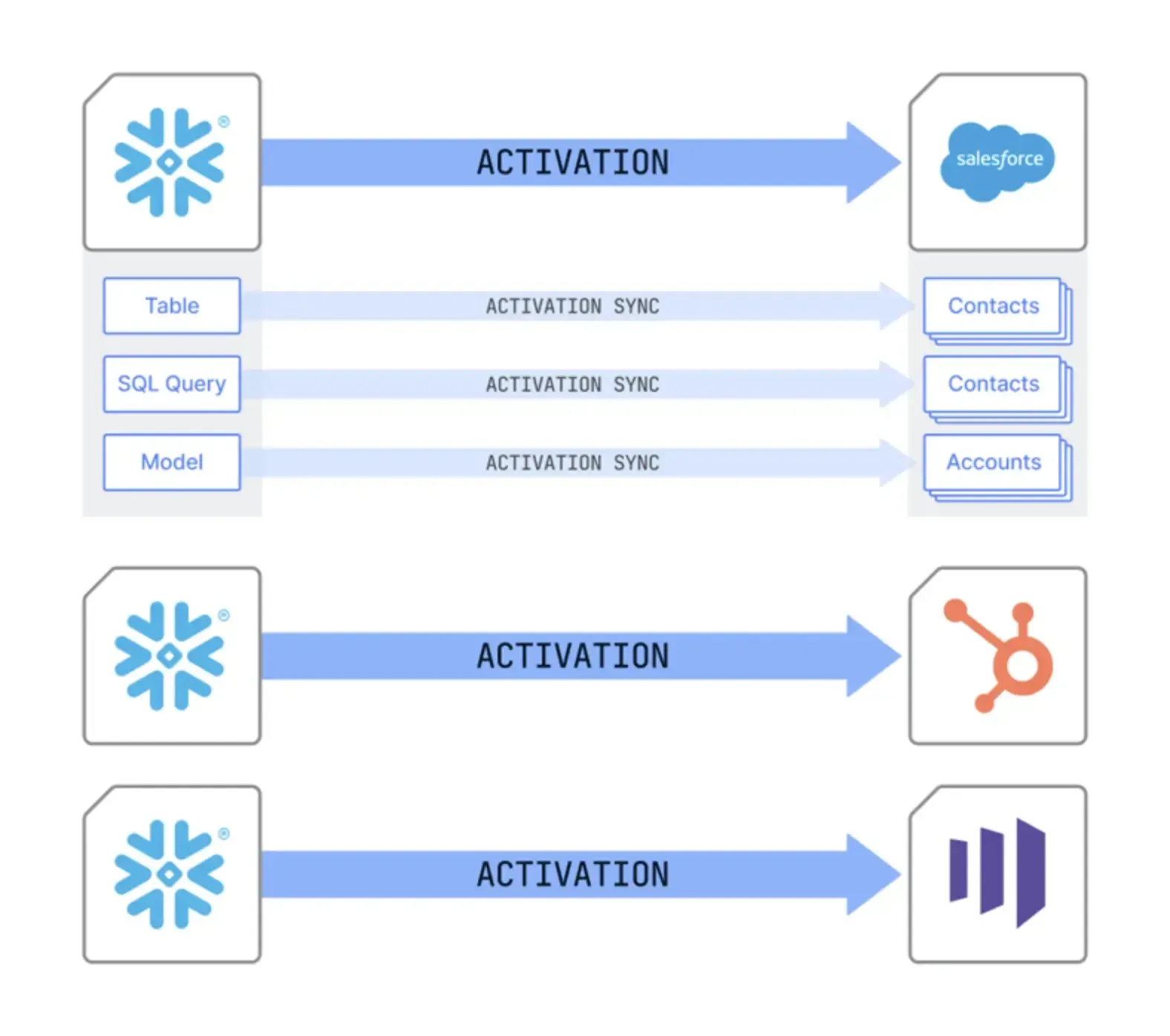
Activations hub-and-spoke model: one source, one activation per destination, several activation syncs.
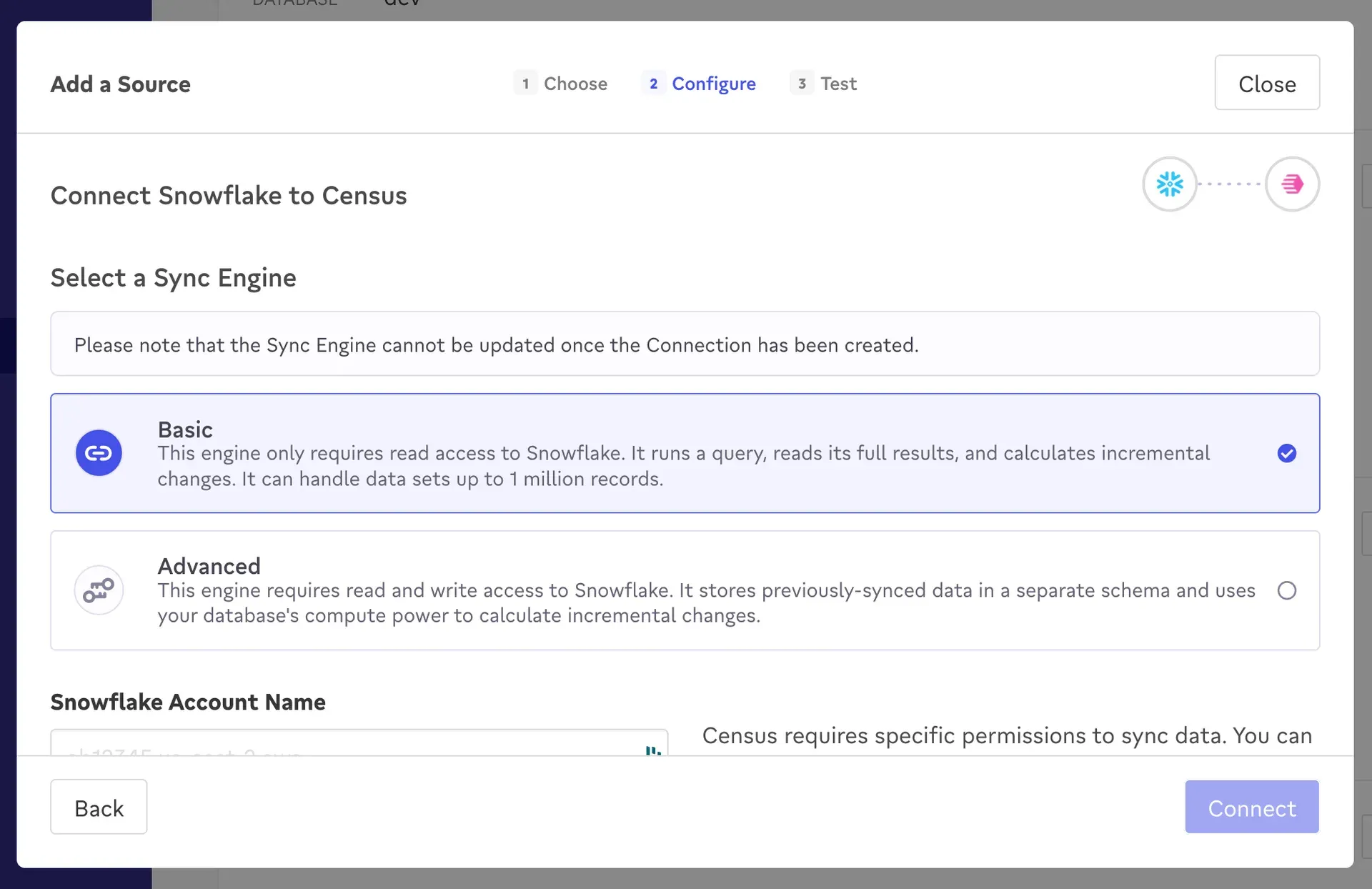
Choosing the Basic or Advanced sync engine when connecting a Snowflake source.
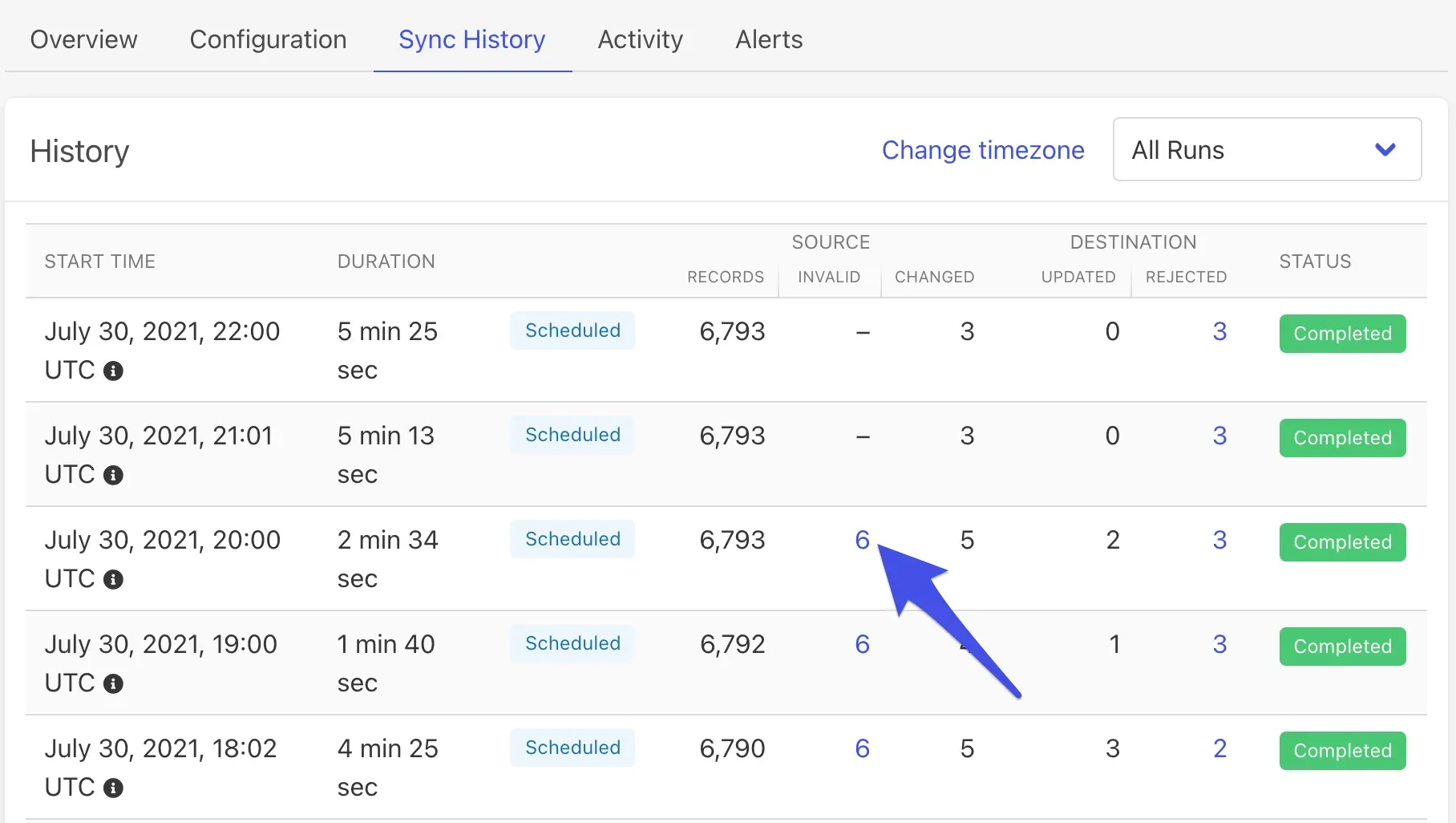
Sync History with per-run counts of invalid and rejected records.
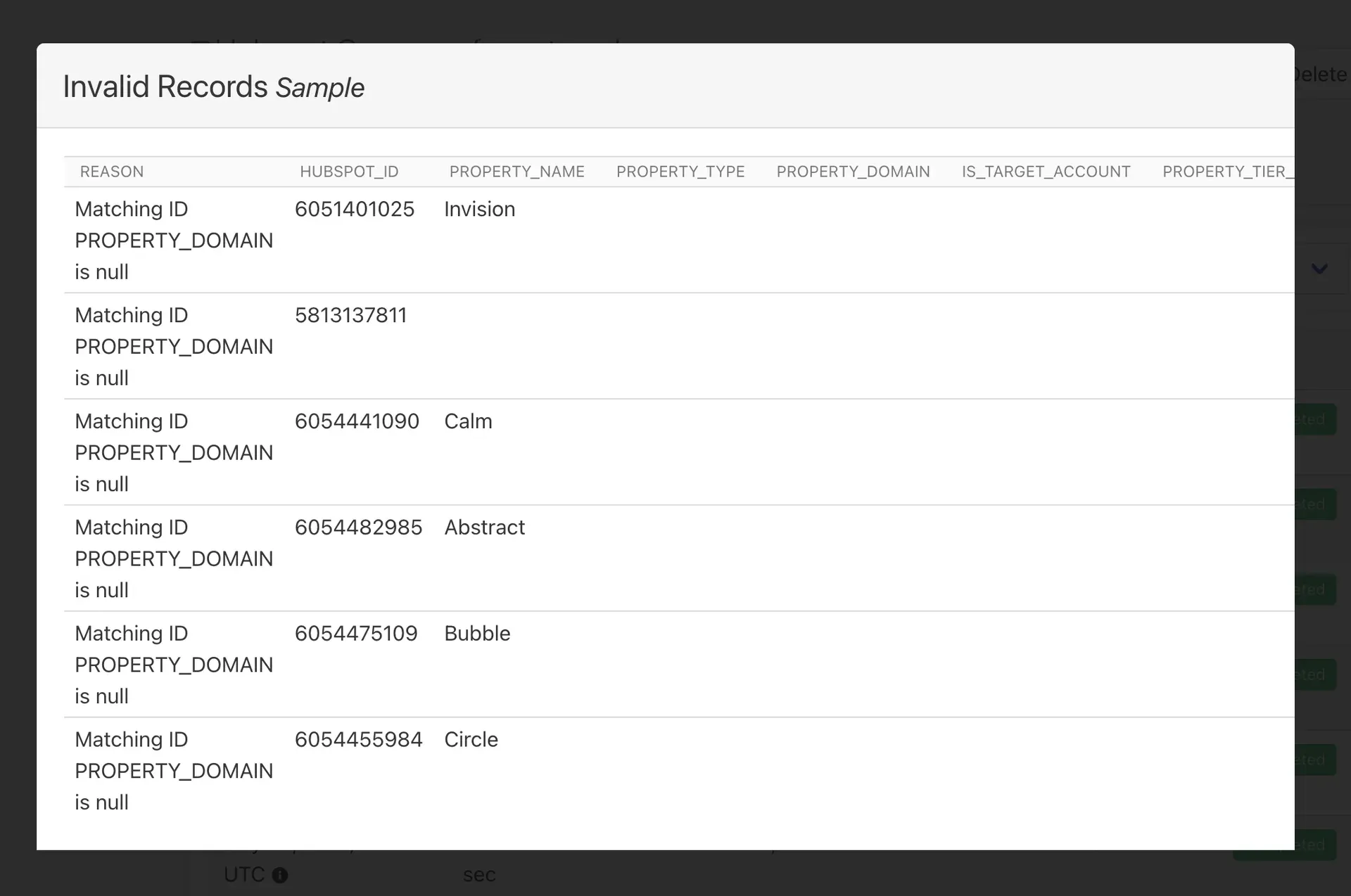
Sample of invalid records with the reason each was filtered before syncing.
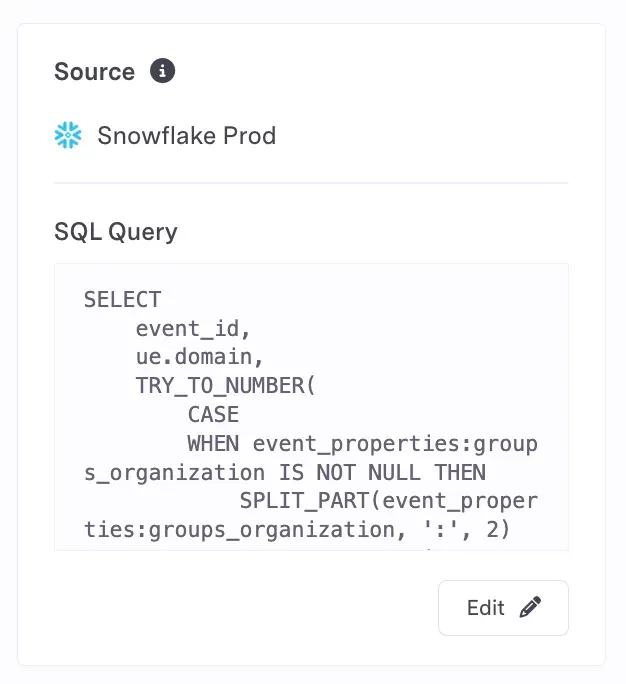
A dataset defined by a SQL query on a Snowflake source.
Source: official Census project page.
Key capabilities
- Activation sources A source can be a database, data warehouse, data lake, CSV file or spreadsheet. Activations can pull directly from tables or from datasets and Audience Hub segments that define a subset of the data. Each source is configured with a data residency that sets the cloud and region where its sync runs take place, with options depending on the Fivetran plan.
- Basic and Advanced sync engines When a data warehouse source is connected, the user chooses a sync engine. Basic keeps state tracking in Activations infrastructure and needs only read access; the setup dialog notes that it handles data sets up to 1 million records. Advanced keeps state in the user's warehouse, needs read and write access and is described as faster. Downgrading from Advanced to Basic is not possible.
- Destinations The destinations documentation lists SaaS apps, analytics platforms, databases, storage destinations and ad networks. Destinations named in the docs include Salesforce, HubSpot, Braze, Customer.io and Iterable. Activation sources and destinations can reuse Fivetran private networking, including AWS PrivateLink and Azure Private Link.
- Activations and activation syncs An activation groups the syncs between one source and one destination, following a hub-and-spoke model in which the source is the hub. An activation sync is an individual configuration that moves data from a table, dataset or segment to one object in the destination. Multiple activation syncs can write to the same destination.
- Sync behaviors Syncs can update or create (upsert), update only, create only, mirror, append only or delete. Mirror adds, edits and removes destination records to match the source. Delete removes records matching a list of IDs, and the documentation warns that an incorrect set of IDs can cause data loss. Some behaviors are only available for certain destinations.
- Incremental syncing The first sync replicates all chosen data, and later runs send only new or modified records. Each source and destination provides one unique sync key used to match records. Change detection relies on a dedicated census schema in the source warehouse.
- Field mappings Fields can be mapped automatically or manually. Templated fields use the Liquid template language to transform one record at a time. Conditional mappings can skip null values or set a value only if the destination field is empty, and Sync All Properties creates destination fields from source columns for supported destinations.
- Triggers and schedules Syncs run manually, on a schedule including cron expressions, programmatically through the API or an orchestration tool, or automatically after dbt Cloud runs, as described in the activation syncs documentation.
- Sync history and invalid records The Sync History tab lists each run with source records, invalid records, changed records, updated and rejected destination records, and status. Invalid records, such as rows with null identifiers or duplicates, are filtered before syncing. Rejected records were refused by the destination. Up to 100 samples with reasons can be viewed per run.
- Workbench datasets Datasets define a set of data in the source, for example through a SQL query, and can be reused across many destinations and monitored in one place. Smart Columns extend datasets with self-service enrichment.
- Audience Hub A visual segment builder runs directly on the warehouse, with cross-entity and cross-segment conditions, event-based conditions, segment size tracking and comparison tools. Audience Hub is available on Enterprise plans only.
- REST API and developer tools Activations has a REST API; API V2 was released on October 15, 2026, and API V1 retires on January 15, 2027. Workspace API keys are replaced by Activations personal access tokens. Terraform, Airflow and Prefect integrations are covered in the migration FAQ.
- Data handling The security and privacy page states that sync state is kept in the customer's warehouse, ephemeral workers do not store data, diff batches are deleted after processing, and diagnostic samples are the only stored customer data, kept for 7 days. The Basic sync engine is an exception and stores past sync information in Fivetran infrastructure.
- Least-privilege access and encryption The warehouse account used by Fivetran is not a superuser and can only read the schemas the customer selects. Connections go through a dedicated gateway from static IP addresses over an encrypted connection, and staged data is encrypted at rest with cloud provider server-side encryption. Customers can use their own object storage for staging.
- Compliance Fivetran states compliance with SOC 2 Type 2, HIPAA, GDPR, CCPA and the EU-US Data Privacy Framework for Activations, together with regular third-party penetration testing and automated vulnerability scanning.
- Access control after migration Fivetran Users and Permissions replaces Census roles, adding SCIM provisioning, teams and per-destination access. Legacy Census roles lose some abilities, and Enterprise customers with custom Census roles have them translated into Fivetran custom roles with support's help.
- Pricing Activations is billed in monthly active rows (MAR) under Fivetran usage-based pricing, and each activation comes with a 14-day free trial. The pricing page lists the Free plan as free up to 3,500 MAR for activations. Census plans map to Fivetran plans: Free to Free, Professional to Standard, and Enterprise or Enterprise Lite to Enterprise. PrivateLink requires the Business Critical plan.
Where Census fits
Syncing warehouse data into a CRM
The Activations architecture diagram shows a Snowflake source with activation syncs from a table, a SQL query and a model into Salesforce Contacts and Accounts. A sync key matches source rows to destination records, and the chosen sync behavior, such as update or create, decides what happens to each record.
Building marketing audiences
Audience Hub is described for marketing and customer-facing teams that build segments for campaign and ad targeting directly on warehouse data without writing SQL. Segment definitions can be kept in sync across customer engagement and advertising services. This feature requires an Enterprise plan.
Combining ELT and reverse ETL
Fivetran documents Activations together with its ELT connectors as a bidirectional pipeline: connectors load data from sources into the warehouse, transformations model it, and Activations writes the result back into business tools. Syncs can also be triggered automatically after dbt Cloud runs.
Monitoring sync runs
The Sync History tab shows each run with counts of source, invalid, changed, updated and rejected records. Clicking a count opens up to 100 sample records with the reason, for example a matching ID that is null, and a tooltip on failed runs shows the error.
Migrating a Census account to Fivetran
The Census Migration FAQ states that most customers need no action because activation sources move automatically. Customers using AWS IAM policies with the old Census account ID must add Fivetran's account ID, legacy IP addresses must stay allowlisted until the migration completion email arrives, and API users must move from workspace API keys and API V1 to personal access tokens and API V2 before January 15, 2027.
Embedding activation in another product
The former Census Embedded offering continues as Powered by Fivetran, according to the migration FAQ. Developer documentation covers building custom Activations integrations, connecting git and managing Activations through the API.
Reviews of Census
Be the first to share your experience with Census.
Write a review
Loading review form…
Alternatives to Census
 HightouchHightouch syncs data from cloud warehouses (Snowflake, BigQuery, Databricks, Redshift) to marketing, sales and ad tools using a reverse ETL model, with a free tier and usage-based paid plans.
 RudderStackRudderStack is a warehouse-native customer data platform that collects, governs, unifies and activates customer data, with an open source version.
 SegmentTwilio Segment is a customer data platform that collects events from websites, apps, servers, and connected tools and sends them to selected destinations.